
"East African beans"
900 article(s) found
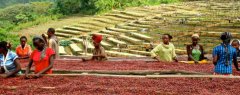
Kenya AA Arabica Coffee Bean Plantation African Coffee Bean Flavor
KenyaNyeri Gatugi AA country: Kenya Grade: AA producing area: Nyeri Central Mountain area altitude: 1600-2300 m soil: volcanic Clay treatment: washing varieties: SL 28, SL 34 processing Plant: Gatugi processing Plant producer: small Coffee Flavor Flavor: floral, blackcurrant, cranberry located in East Africa Kenya is one of the major coffee producing countries

Coffee bean African coffee producer Rwanda
The history of coffee in Rwanda is one of the most interesting coffee producers in East Africa. Rwanda, known as the Land of Thousand Lakes, grows coffee between 1700 and 2000 meters above sea level. The quality of Rwandan coffee can be said to be world-class, with a clean and bright taste, comparable to the best Central American Blue Mountain coffee, with extremely obvious sweetness and floral aroma, and is more loved by professionals. According to the relevant

The unique flavor of Ugandan coffee taste introduction to the characteristics of fine coffee in manor area
The people of all parts of Uganda resisted the British aggression tenaciously. In 1893, Britain sent troops to occupy the Kingdom of Bunioro, and King Kabarega led some of the people to wage guerrilla warfare for six years. In 1897, King Mwaanga of Buganda raised his army against Britain and later joined Kabarega in the Rango region. In April 1899, the two kings were captured and the uprising failed. To make it easier to rule

The planting patterns of coffee trees in different areas
Coffee grown in different regions has different flavors-the unique soil, climatic conditions and planting methods of a country make the coffee produced in that country have a unique flavor.

Indonesian coffee Asian coffee has a higher alcohol thickness than Central and South America and African beans.
The mellow thickness of Asian coffee is higher than that of Central and South American and African beans, but its sour taste is lower, with slightly sunken wood, herb, spice and earthy flavor, and its low and stuffy aroma is higher than that of rising sour flavor. At the end of the 17th century, the Dutch East India Company transplanted Indian Arabica trees (Tibica) to Jakarta, Java. Due to the favorable climate and soil, Arabica quickly spread to Sumatra in Java.

Introduction to which is better to describe the taste and flavor of raw beans instead of Ugandan coffee
Uganda Coffee Uganda is a landlocked country in eastern Africa, straddling the equator, bordering Kenya to the east, Tanzania and Rwanda to the south, the Democratic Republic of the Congo to the west and Sudan to the north. Most of the territory is located in the Central African Plateau, with lakes, with an average elevation of 1000,000,000 meters above sea level. There are many lakes and plateaus in the mountains, which are known as the water villages of the plateau. The western branch of the East African Rift Valley runs through the western border, with many rivers and lakes at the bottom of the valley. Black Gan
Coffee planting Coffee Tree
Coffee cultivation now, in the belt between the Tropic of Cancer and the Tropic of Cancer, coffee is widely grown. Coffee grown in different regions has different flavors. The unique soil, climatic conditions and planting methods of a country make the coffee produced in that country have a unique flavor. French winemakers call this phenomenon regional style. Geographically, a global coffee growing area
Coffee beans African Sultan
The civil war almost destroyed coffee production. Two decades of disastrous civil war in southern Sudan has claimed millions of lives and caused untold damage to rural areas, including the coffee industry. Robusta coffee is now grown in the south as in the past, while Arabica coffee, which used to be wild, is grown in the north and east of the country. In history

Burundian coffee bean flavor description planting information characteristics distribution of producing areas
For professional baristas, please follow the coffee workshop (official Wechat account cafe_style) Burundi is located on the south side of the equator in east-central Africa. It is bordered by Rwanda to the north, Tanzania to the east and south, Congo (Kinshasa) to the west, and Lake Tanganyika to the southwest. There are many plateaus and mountains in the territory, most of which are made up of the plateau on the east side of the East African Rift Valley. The national average elevation is 1600 meters, which is known as the mountain country.

An introduction to the characteristics of the manor producing area with a delicate fragrance of Tanzanian coffee flavor
The topography of Tanzania is high in the northwest and low in the southeast, showing a ladder shape. The eastern coast is a lowland, the western inland plateau accounts for more than half of the total inland area, and the East African Rift Valley runs from east to west from Lake Malawi to the north and south. The Kibo peak of Mount Kilimanjaro in the northeast is 5895 meters above sea level. It is the highest peak climate in Africa. The eastern coastal areas of Tanzania and part of the lowlands inland are tropical grasses.
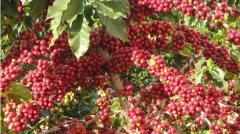
Environmental requirements for coffee and cultural coffee cultivation
Coffee is now widely grown in the ribbon between the Tropic of Cancer. Coffee grown in different regions has different flavors. The unique soil, climatic conditions and planting methods of a country make the coffee produced in that country have a unique flavor. French winemakers call this phenomenon regional style. Geographically, there are three global coffee growing areas.

Introduction to coffee bean producing areas-- African Tanzanian boutique coffee Tanzania coffee flavor Tanzania
Well-known representative coffee: Kilimanjaro Tanzania is located in eastern Africa, to the south of Kenya, to the east of the Indian Ocean, with a coastline of 1500 kilometers. Coffee is not the main agriculture in Tanzania and is mostly operated on a small scale. Coffee is grown on the slopes of Mount Kilimanjaro in northern Tanzania near Kenya, and about 70% of it is Elaraby.

How to drink Burundian coffee in the sun
For professional baristas, please follow the coffee workshop (official Wechat account cafe_style) Burundi is located on the south side of the equator in east-central Africa. It is bordered by Rwanda to the north, Tanzania to the east and south, Congo (Kinshasa) to the west, and Lake Tanganyika to the southwest. There are many plateaus and mountains in the territory, most of which are made up of the plateau on the east side of the East African Rift Valley. The national average elevation is 1600 meters, which is known as the mountain country.

The way coffee is grown.
Coffee cultivation is now widely grown in the ribbon between the Tropic of Cancer and the Tropic of Cancer. Coffee grown in different regions has different flavors. The unique soil, climatic conditions and planting methods of a country make the coffee produced in that country have a unique flavor. French winemakers call this phenomenon regional style. Geographically, global coffee

Introduction to the simple and mild grinding scale of Ugandan coffee bean varieties to treat the manor area
Dry aroma (1-5): 3.2 wet aroma (1-5): 3.4 acidity (brightness) (1-10): 8 taste (layering) (1-10): 8.5 taste (alcohol thickness) (1-5): 4 aftertaste (residual) (1-10): 8.1 balance (1-5): 0 basic score (50): 50 total score (maximum 100): 85.2 strength / main attributes: medium strength / high oil content Pristine

How about Burundian coffee beans in the sun? which brand of Burundian coffee is better?
For professional baristas, please follow the coffee workshop (official Wechat account cafe_style) Burundi is located on the south side of the equator in east-central Africa. It is bordered by Rwanda to the north, Tanzania to the east and south, Congo (Kinshasa) to the west, and Lake Tanganyika to the southwest. There are many plateaus and mountains in the territory, most of which are made up of the plateau on the east side of the East African Rift Valley. The national average elevation is 1600 meters, which is known as the mountain country.

Introduction of Uganda Coffee grading Uganda Manor and description of its Flavor characteristics
Uganda, located at the source of the Nile, is a landlocked country in Africa that does not rely on the sea. Although Uganda has a long history of producing coffee like other East African countries, the quality of coffee has never been improved because of the war caused by ethnic antagonism. Most of the good coffee is grown in areas adjacent to Kenya, and some good coffee beans are shipped to Kenya to be sold as Kenyan coffee until the war stopped 15 years ago.

Uganda becomes Africa's largest coffee exporter, Uganda coffee bean flavor
For information, please pay attention to coffee workshop (Weixin Official Accounts cafe_style) Uganda is a landlocked country in eastern Africa, straddling the equator. Most of the whole territory is located in the Central African Plateau. There are many lakes, with an average altitude of 10001200 meters. There are many lakes and plateaus in the mountains, so it is known as plateau water town. The western branch of the Great Rift Valley runs through the western border, and there are many rivers and lakes at the bottom of the valley. Uganda has a Victoria lake, plus territory

Uganda coffee beans with a unique flavor
Mbale on Mount Elgon to the east and other producing areas near the border with the Democratic Republic of the Congo to the west are known as Wugar. Officially listed grades are Oaganic (organic), Bugisu AA, Bugisu A, Bugisu B, Bugisu PB, Wugar, Drugar and others not listed. To find a good Ugandan coffee, you must first identify Bugisu AA, A

Sidamo Coffee Variety Introduction Huaqui Coffee Taste Introduction
Professional coffee knowledge exchange More coffee bean information Please pay attention to coffee workshop (Weixin Official Accounts cafe_style) Qianjie Sidamo flower variety flavor introduction Sidamo coffee flavor is very diverse, because different soil composition, regional microclimate and countless native coffee varieties, resulting in each town area produced coffee has obvious differences and characteristics. Sidamo